







Blog
4 Steps To Properly Assess A Used Outboard Engine For Sale

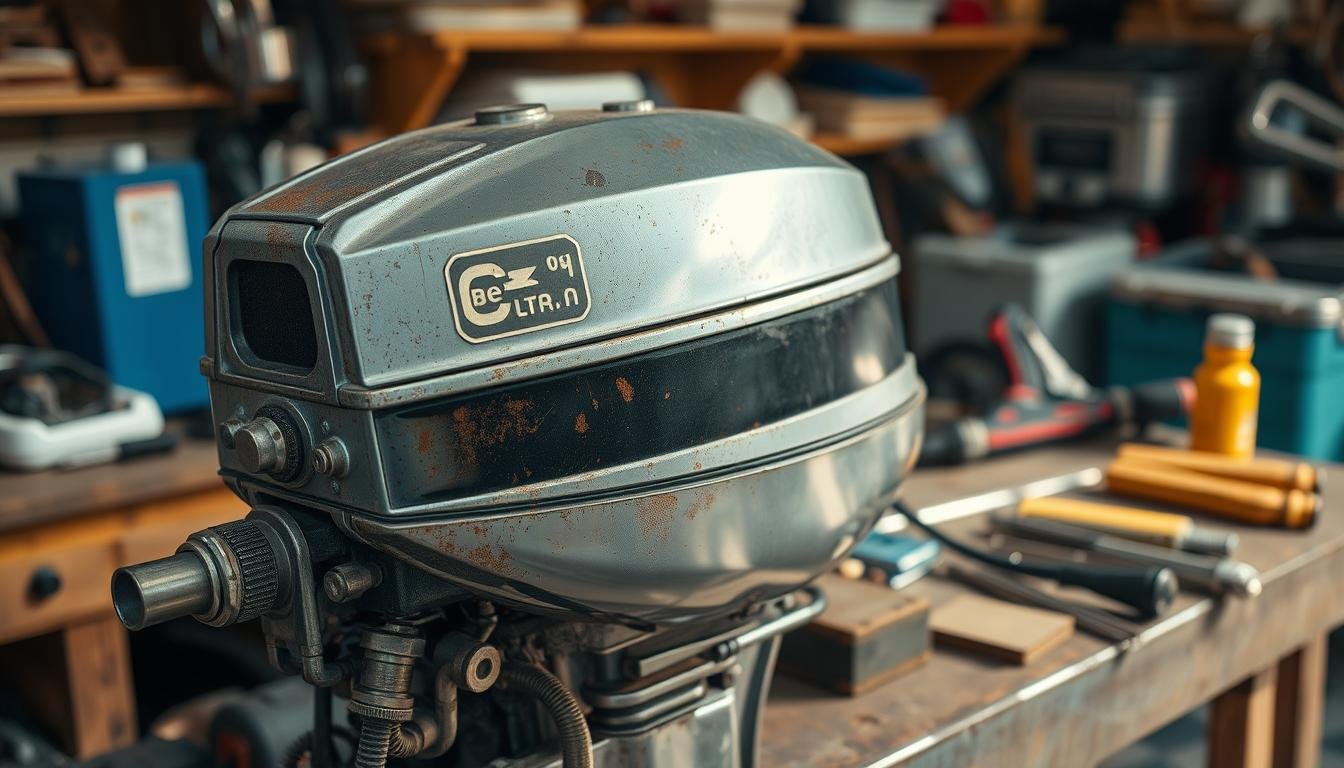
Assessing a used outboard engine for sale can be a daunting task, especially for those new to boating. With numerous factors to consider, it’s easy to feel overwhelmed.
However, by breaking down the process into manageable steps, you can make an informed decision and find the perfect outboard boat engine for your needs.
In this article, we’ll guide you through the 4 crucial steps to properly assess a used outboard engine. We’ll cover everything from researching the engine’s history to conducting performance tests, ensuring you’re equipped to make a smart purchasing decision.
Key Takeaways
- Understand the importance of researching the engine’s history.
- Learn how to inspect the engine for signs of wear and tear.
- Discover the value of performance tests in assessing engine reliability.
- Find out how to evaluate the engine’s maintenance records.
- Get tips on negotiating the best price based on your assessment.
Step 1: Researching a Used Outboard Engine For Sale
Researching a used outboard engine for sale is a critical step in making an informed purchase. This initial step involves gathering crucial information about the engine’s history and condition.
Checking Service History and Documentation
A well-documented service history is a good indicator of how well the engine has been maintained. Look for records of regular maintenance, such as oil changes, propeller inspections, and any repairs made. Ensure that the seller provides documentation, including service records and any maintenance receipts. This information can help you understand the engine’s condition and identify any potential issues.
Here is an example of what to look for in the service history:
| Date | Service Performed | Engine Hours |
|---|---|---|
| 2022-01-01 | Oil change and propeller inspection | 100 |
| 2021-06-01 | Repair of lower unit | 50 |
Verifying Engine Hours and Age
Verifying the engine hours and age is crucial in determining the engine’s overall condition. A lower hour count typically indicates less wear and tear. Check the engine’s hour meter and verify the age by checking the manufacturer’s label or documentation. Compare the engine hours with the age to determine if the engine has been used excessively or if it has been properly maintained.
When evaluating a used outboard engine, consider the following factors related to engine hours and age:
- Average annual usage
- Maintenance history in relation to engine hours
- Age-related wear and tear
By thoroughly researching the used outboard engine’s history, you can make a more informed decision about your purchase. This step is essential in avoiding potential pitfalls and ensuring that you acquire a reliable engine.
Step 2: Performing a Thorough Visual Inspection
The second step in evaluating a used outboard engine for sale is to perform a meticulous visual inspection to identify any potential issues. This step is crucial as it can reveal signs of damage, wear, or neglect that could affect the engine’s performance and longevity.
When inspecting a used outboard boat motor, it’s essential to examine the powerhead and lower unit closely. The powerhead contains critical components such as the cylinders, pistons, and valves, while the lower unit houses the gearbox and propeller shaft. Any damage or excessive wear in these areas can significantly impact the engine’s efficiency and reliability.
Examining the Powerhead and Lower Unit
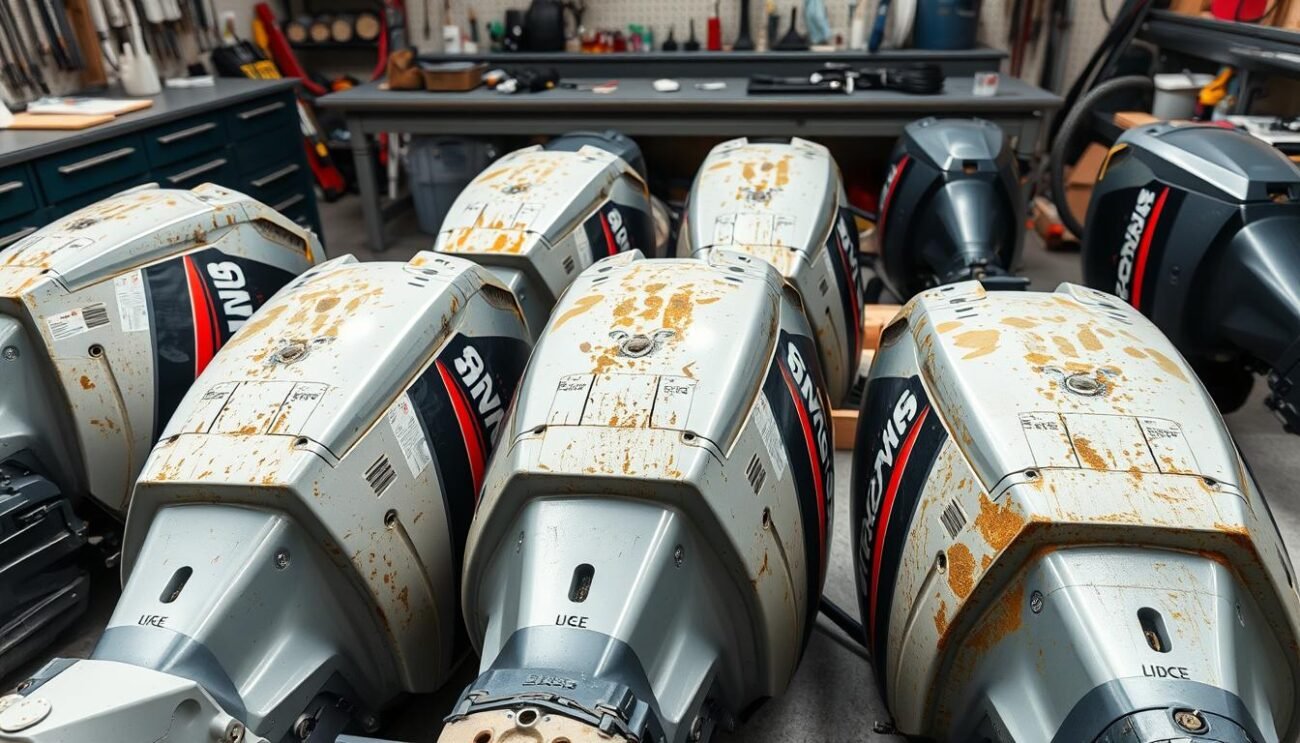
Start by inspecting the powerhead for any signs of leaks, cracks, or corrosion. Check the cylinder head, engine block, and crankcase for any damage or wear. Ensure that all connections and fittings are secure and not leaking. The lower unit should be inspected for any signs of water intrusion, which can indicate a breach in the seals or damage to the gearbox.
Identifying Signs of Corrosion and Damage
Corrosion is a significant concern for outboard marine engines, as it can lead to costly repairs or even render the engine unusable. Look for signs of corrosion on the powerhead, lower unit, and other metal components. Check for rust, pitting, or discoloration, which can indicate exposure to saltwater or high humidity. Additionally, inspect the engine’s mounting brackets, controls, and other accessories for any damage or wear.
Some key areas to inspect include:
- The propeller and propeller shaft for damage or excessive wear
- The engine’s electrical components, such as the starter motor and ignition system
- The cooling system for any signs of leaks or corrosion
- The gearbox and driveshaft for any signs of wear or damage
By performing a thorough visual inspection, you can gain a better understanding of the used outboard boat engine’s condition and make a more informed decision when purchasing.
Step 3: Conducting Mechanical and Performance Tests
After completing a thorough visual inspection, the next crucial step in evaluating a used outboard engine is to conduct mechanical and performance tests. This step is vital in understanding the engine’s operational efficiency and identifying any potential issues that could lead to costly repairs down the line.
Compression Testing and Spark Check
One of the primary mechanical tests involves checking the engine’s compression and spark. Compression testing helps determine the condition of the engine’s cylinders, pistons, and valves. Low compression in one or more cylinders can indicate internal engine damage or wear. Similarly, a spark check is essential to ensure that the ignition system is functioning correctly. Weak or absent spark can point to problems with the spark plugs, ignition coil, or other components of the ignition system.

Cooling System Assessment
The cooling system is another critical area to assess during the mechanical testing phase. The cooling system prevents the engine from overheating, which can cause significant damage. Inspect the coolant level, condition, and look for any signs of leaks in the cooling system. It’s also important to check the water pump and other components for proper function. A malfunctioning cooling system can lead to engine failure, making it a crucial aspect of the evaluation process.
On-Water Performance Evaluation
Finally, conducting an on-water performance evaluation provides real-world insights into the engine’s operation. This test allows you to assess how the engine performs under load and in various conditions. Pay attention to how the engine accelerates, its top speed, and any unusual noises or vibrations. An on-water test can reveal issues that might not be apparent during a static inspection, such as problems with the propeller, gear case, or engine performance under stress.
By following these steps and conducting thorough mechanical and performance tests, you can gain a comprehensive understanding of the used outboard engine’s condition. This information is invaluable in making an informed decision when purchasing a used outboard engine, whether you’re looking for used outboard boat motors for sale by owner or considering a purchase from a dealership.
Step 4: Making an Informed Purchase Decision
After researching, inspecting, and testing a used outboard engine, it’s time to make an informed purchase decision. Consider the engine’s history, condition, and performance to determine whether it’s the right fit for your needs. When searching for
gas outboard motors for sale
or
outboard motors used for sale near me
, it’s essential to weigh factors like price, warranty, and support.
Evaluate the overall value of the
outboard motor or engine
you’re considering. Compare prices of
outboard motors near me
and
outboard used boat motors for sale nearby
to ensure you’re getting a fair deal. You may also want to research
new outboard boat motors for sale
to understand the market better.
By following these 4 steps, you’ll be confident in your purchasing decision and find the perfect used outboard engine for your boating needs. A well-informed decision will ensure a satisfying purchase and a great boating experience.


